
College Visits: What Students Should Do Before and After Touring Campuses

For many families, college visits are one of the most exciting — and sometimes eye-opening — parts of the college admissions process. And for rising seniors, the time to start scheduling campus tours is NOW, before senior year becomes filled with applications, essays, deadlines, and activities.
While websites, brochures, and social media can provide information, nothing replaces walking a campus in person. Visiting colleges gives students a much clearer sense of whether a school truly feels like the right fit academically, socially, and personally. Over the years, I’ve worked with many students who were convinced they would love a particular college, only to step on campus and quickly realize it did not feel right at all. On the flip side, some students completely fall in love with colleges they almost didn’t visit.
Sometimes students are surprised by how strongly they react to a campus — either positively or negatively — within the first hour of being there. That initial feeling may not tell the whole story, but it often gives students valuable insight into whether they can truly picture themselves living, learning, and building a life there over the next four years.
That is why college visits are such an important part of the college search and college planning process.
At Best Fit College Advisors, we often remind families that college visits are not about finding a “perfect” school. Instead, they are an opportunity to help students better understand which colleges feel like the best fit academically, socially, and personally — and where they will feel challenged, supported, and excited about the next chapter of their lives.
What to Do Before a College Visit
1. Research the College Before Arriving
One of the biggest mistakes students make is showing up to a college tour without understanding the basics of the school beforehand. Before visiting a campus, students should spend a little time researching:
• Academic programs and majors
• Campus size and setting
• Student life and extracurricular activities
• Internship and research opportunities
• Housing options
• Study abroad programs
• Support services and academic resources
Doing research ahead of time allows students to ask more thoughtful questions during the visit and helps them evaluate whether the school aligns with their goals and interests.
For example, a student interested in nursing may want to ask about clinical placements and hands-on learning opportunities, while a student considering engineering may focus more on internship partnerships, research opportunities, or lab access. A theatre student may want to learn more about productions, auditions, and performance opportunities.
Personalizing the college visit experience often makes the tour much more meaningful and helps students determine whether the school truly feels like a best fit college for them.
According to recent college admissions data, many colleges now track demonstrated interest as part of the admissions process, meaning campus visits, information sessions, and student engagement can sometimes play a role in admissions decisions — particularly at private colleges and universities.
2. Register for the Official Campus Tour
Many colleges track demonstrated interest, meaning they pay attention to how students engage with the college admissions process. Registering for an official campus tour or admissions information session can help demonstrate genuine interest in the school.
According to NACAC survey data, approximately 40% of colleges report considering demonstrated interest to some degree during the admissions process, with the practice being more common among private institutions. (Edvisorly)
Families should also explore whether the college offers:
• Department-specific tours
• Honors college sessions
• Performing arts or athletic visits
• Student panels
• Opportunities to sit in on a class
The more students engage with programs connected to their interests, the more personalized and valuable the college visit becomes.
I often remind families that the goal is not to overload students with information, but to help them start imagining themselves as part of the campus community.
Doing research ahead of time allows students to ask more thoughtful questions during the visit and helps them evaluate whether the school aligns with their goals and interests.
For example, a student interested in nursing may want to ask about clinical placements and hands-on learning opportunities, while a student considering engineering may focus more on internship partnerships, research opportunities, or lab access. A theatre student may want to learn more about productions, auditions, and performance opportunities.
Personalizing the college visit experience often makes the tour much more meaningful and helps students determine whether the school truly feels like a best fit college for them.



3. Prepare Questions Ahead of Time
Encourage students to prepare questions before the visit rather than relying only on information available online. College tours provide students with an opportunity to gain insight into the day-to-day student experience and what life on campus actually feels like beyond brochures and statistics.
Some helpful questions may include:
• What do students typically do on weekends?
• How accessible are professors outside of class?
• What support services are available for first-year students?
• What internship opportunities are common?
• What type of student tends to thrive here?
Sometimes the most valuable conversations happen outside the formal tour itself. I often encourage students to talk casually with current students in the dining hall, student center, or even while walking across campus. Those unplanned interactions can sometimes give families the most honest insight into campus culture and student life.
According to Gallup research, students who feel supported by professors, mentors, and campus communities during college are significantly more likely to be engaged in their careers and wellbeing after graduation. That is why asking intentional questions — and paying attention to how students and staff interact with one another — can matter just as much as learning about rankings or majors.
At Best Fit College Advisors, we often encourage students to pay attention not only to the answers themselves, but also to how approachable, welcoming, and engaged the students and staff seem during conversations. Sometimes the overall feel of a campus says just as much as the facts and statistics.
4. Think About What Matters Most
Before visiting multiple schools, students should reflect on what they are genuinely looking for in a college experience. It is easy to get caught up in rankings, beautiful campuses, or where friends are applying, but finding the right college fit is ultimately about understanding where a student will feel comfortable, supported, and motivated to grow.
Some important considerations include:
• Large university vs. small college
• Urban, suburban, or rural campus
• Distance from home
• Campus culture
• Academic rigor
• Social environment
• Availability of support resources
A campus may be beautiful, but students should also consider whether they can realistically picture themselves living and learning there for four years.
Some students immediately feel comfortable on a campus, while others quickly realize the environment does not feel like the right fit despite a school’s rankings or reputation.
I’ve worked with students who were absolutely convinced a highly ranked university was their dream school until they visited and realized the atmosphere felt too competitive or overwhelming. At the same time, I’ve seen students unexpectedly connect with colleges they initially overlooked because the campus community simply felt more supportive and welcoming.
This is where thoughtful college counseling and personalized college planning can make such a difference. The college admissions process can easily become focused on prestige, rankings, and outside pressure, but finding a best fit college is really about helping students discover where they will thrive academically, socially, and personally.
5. Plan Visits Carefully
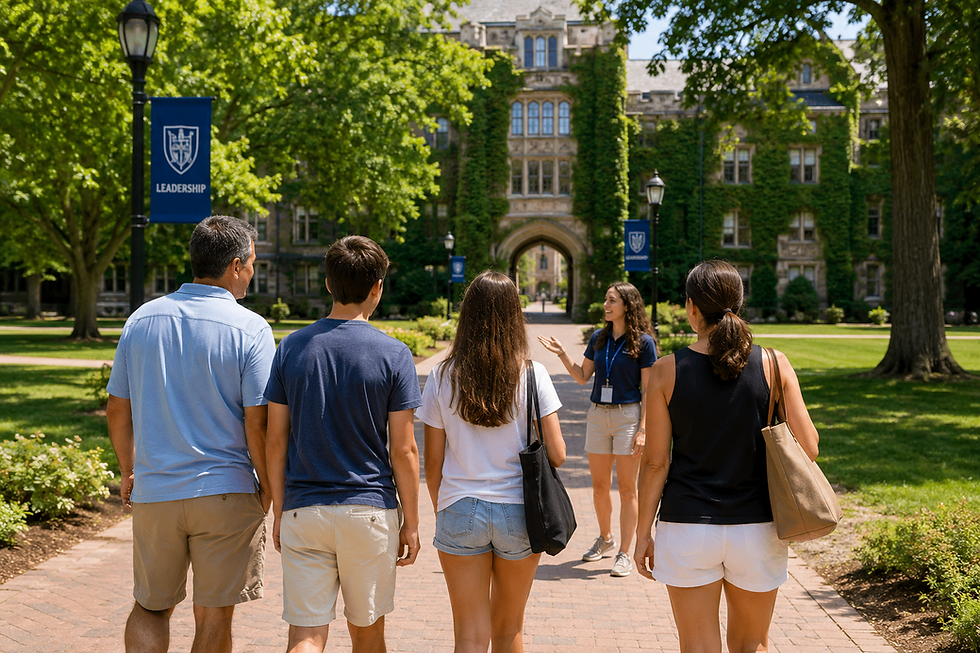
College tours can quickly become exhausting when too many campuses are packed into one trip. I often remind families that after the third or fourth visit, many campuses can start blending together, especially when students are tired, rushed, or overwhelmed by information.
Families should try to:
Avoid over scheduling
Allow time to explore the surrounding town or city
Wear comfortable shoes
Arrive early
Keep notes after each visit
Sometimes the most valuable parts of a college visit happen outside the official tour itself — grabbing coffee near campus, walking through the surrounding town, or sitting in a student center and observing how students interact with one another. Those moments often give students a better sense of whether they can genuinely picture themselves living there.
According to surveys from college admissions organizations, many students visit between 5–8 colleges during their search process, which is one reason campuses can begin to feel repetitive without organized notes and reflections.
I always encourage students to write down their immediate reactions shortly after leaving campus because first impressions are often the most honest.
6. Let the Student Take the Lead
Parents naturally want to help guide the process, but college visits are also an important opportunity for students to begin taking ownership of their future and building confidence in navigating the college admissions process independently.
Students should:
Check themselves in for tours
Ask questions directly
Introduce themselves to admissions staff
Engage during information sessions
I often remind parents that admissions representatives want to hear directly from the student whenever possible. College visits give students an opportunity to practice communication skills, self-advocacy, and professional interaction — skills that become increasingly important in college and beyond.
Some students may initially feel nervous about speaking up during tours or asking questions, but even small interactions can help build confidence throughout the college search process.
Building confidence and self-advocacy during the college admissions process can benefit students long after applications are submitted.
What Students Should Do After
1. Write Down Immediate Impressions
As soon as possible after leaving campus, students should record their thoughts while the visit is still fresh. After several college tours, campuses can easily begin blending together, and students are often surprised by how quickly they forget specific details, impressions, and feelings about each school.
Helpful questions may include:
Could I picture myself here?
Did students seem happy and engaged?
What stood out academically?
Did the campus feel welcoming?
What concerns did I have?
I always encourage students to write down their immediate reactions in the car, at dinner afterward, or later that evening while the experience is still fresh. Sometimes a student’s first instinct says more than rankings, statistics, or social media posts ever could.
At Best Fit College Advisors, we often encourage students to evaluate colleges based on the factors that matter most to them personally rather than relying solely on prestige or outside opinions. One student may prioritize internship opportunities and career preparation, while another may care more about campus culture, class sizes, or distance from home.
Students are often surprised by which colleges ultimately end up feeling like the best fit. In many cases, the schools students feel most connected to are not always the ones they originally expected.
2. Compare More Than Rankings
Families can easily become overly focused on prestige or rankings during the college search process. While reputation can matter, students should also consider:
Campus culture
Academic support
Student happiness
Class sizes
Accessibility of professors
Career preparation opportunities
A college where a student feels supported, connected and comfortable is often a much stronger long-term fit than a school chosen solely for name recognition.
3. Follow Up With Additional Questions
It is completely appropriate for students to follow up with admissions representatives after a visit if additional questions arise.
Students may also benefit from:
Attending virtual sessions
Speaking with current students
Connecting with academic departments
Learning more about specific programs
Demonstrating genuine interest and engagement can sometimes strengthen a student’s application while also helping families gain more meaningful information.
4. Should Students Request a College Interview?
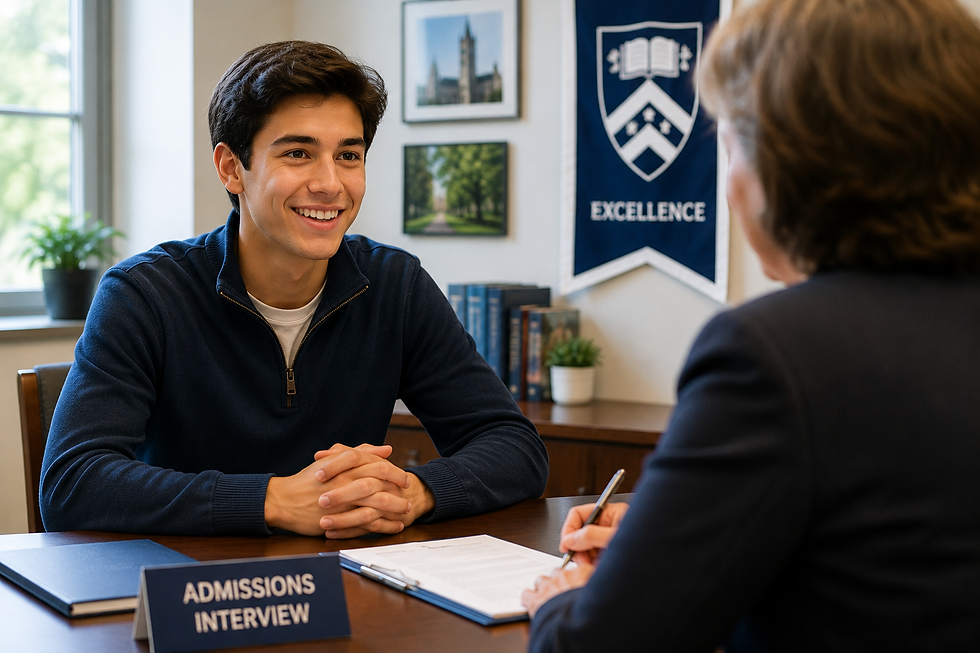
If a college offers optional interviews, students should strongly consider participating.
College interviews provide students with another opportunity to share their personality, interests, and goals beyond what appears on an application.
While interviews are rarely the deciding factor in admissions decisions, they can help students stand out and demonstrate genuine interest:
Demonstrate interest
Help students stand out
Allow colleges to better understand the student
Give students an opportunity to ask thoughtful questions
Admissions representatives are not expecting students to sound perfect or overly rehearsed. In most cases, they are simply looking for authenticity, curiosity, maturity, and engagement. Students do not need to sound rehearsed or perfect.
Before requesting an interview, students should:
Research the school thoroughly
Practice discussing their interests and goals
Prepare meaningful questions
Dress appropriately
Send a thank-you email afterward
At Best Fit College Advisors, we often help students prepare for interviews by focusing on how to speak naturally and confidently about their experiences, strengths, and future goals.
The goal is not to sound scripted — it is to sound genuine.
5. Organize Information and Deadlines
After visiting colleges, families should organize:
Admissions materials
Application deadlines
Scholarship opportunities
Financial aid information
Notes from tours and conversations
Keeping information organized early can significantly reduce stress later during senior year, especially once applications, essays, recommendation requests, and deadlines begin piling up.
I always encourage students to create a simple spreadsheet, folder, or notes app where they can keep track of impressions from each college visit, important deadlines, and follow-up tasks. Staying organized not only makes the college application process feel more manageable, but also helps families make clearer and more confident decisions later on.
Final Thoughts
As students begin narrowing down their college lists and imagining the next chapter of their lives, it is important to remember that the college search process is about far more than rankings or prestige. It is about finding a place where students feel supported, motivated, and excited about their future.
Every campus visit gives students an opportunity to learn more not only about a college, but also about themselves — what environments energize them, what communities feel welcoming, and what opportunities align best with their goals and interests.
So as you begin planning college visits and navigating the college admissions process, ask yourself: Can you truly picture yourself here?
Sometimes the answer may surprise you.
The college planning process can feel overwhelming, but families do not have to navigate it alone. At Best Fit College Advisors, we work closely with families throughout Maine, New Hampshire, and Massachusetts to help students approach the admissions process with greater confidence, organization, and less stress.
Are you ready to help your student discover their best fit college?
For personalized college planning guidance and support throughout the admissions journey, contact Cheryl Coughlin at (207) 229-8603 or by email at cheryl@bestfitcollegeadvisors.com.


Comments